

Your Professional Thinners And Solvents Supplier
Niujiao Chemical specializes in supplying a variety of chemical products, focusing on the research and development, production and trade of various chemical raw materials and products, relying on superior product quality exported to more than countries and regions.The product series mainly includes rubber accelerators, rubber antioxidants, rubber curing agents, water treatment additives, carbon black environment-friendly gold extraction agents and other categories.


Why Choose Us
Broad Market
The Our products are exported to more than 100 countries and regions such as the United States, the United Kingdom, France, Japan, Russia, South America, Southeast Asia and Africa.
Custom Service
We understand that each customer may have unique requirements. We have the flexibility to customize our rubber additives to meet specific formulation needs, ensuring optimal compatibility and performance in various rubber applications.
High-Quality Manufacturing
Our manufacturing facilities employ advanced technologies and adhere to stringent quality control measures. We prioritize quality in every step of the production process, ensuring consistent and high-performance rubber additives that meet international standards.
Wide Range of Applications
Our products are widely used is widely used in rubber, leather, cable, plastic, pharmaceutical, water treatment and other industries.
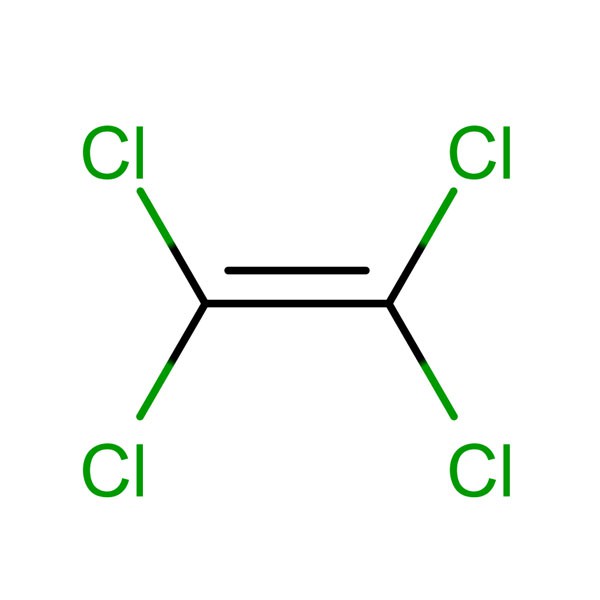
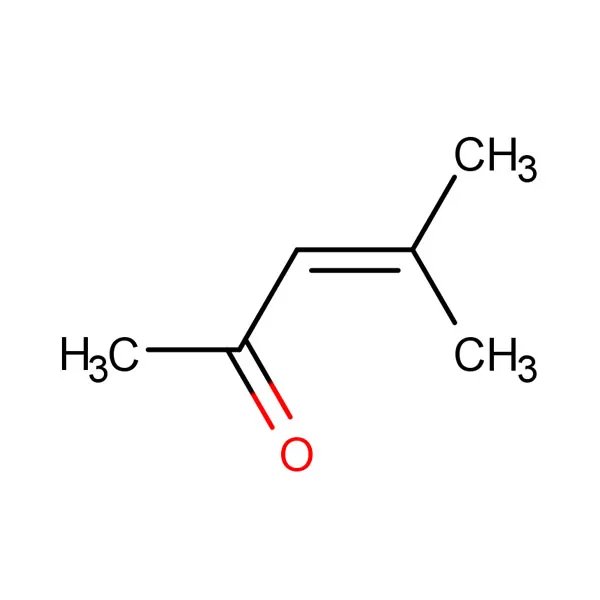
Advantages of Thinners And Solvents


Advantages of Using Thinner
– Tool Cleaning: Thinner is effective in cleaning tools such as brushes and rollers that have been used with paint, which increases the lifespan of these tools.
– Facilitating Drying: Using thinner can reduce the drying time of paint or lacquer, allowing tasks to be completed more quickly.
– Impact on Final Quality: Thinner can improve the final quality of the work, contributing to a smooth and uniform surface.
– Surface Preparation: Before applying paint or coating materials, thinner can be used to clean and prepare surfaces.
– Easier Process: The use of thinner can simplify the painting process and make tasks easier.
– Improved Paint Quality: Thinner allows for better and more uniform application of paints on surfaces.
– Reduced Drying Time: Adding thinner decreases the drying time of paint, thus enhancing efficiency in large projects.
– Solvency Capability: Thinner dissolves a wide range of materials, including resins, adhesives, and coatings, making it useful for various applications.
– Affordable Price: Thinner is relatively inexpensive compared to other solvents.
– Easy Cleaning: Thinner effectively removes leftover paint from tools, facilitating the cleaning process.
Benefits of Solvents
Solvents are widely used for cleaning, food preparation, and even first aid. Examples include water, vinegar, and ethyl alcohol. In industrial settings, solvents are utilized for cleaning deep stains on machinery, dissolving plastic pellets for manufacturing, and extracting flavors, colors, and scents.
Specification
|
Product name |
Ethylene glycol |
|
Application |
Industry |
|
Appearance |
COLORLESS |
|
Shipping Way |
By sea/by air |
|
Logo |
Customized Logo |
|
Origin |
China |
|
DeliveryTime |
7~15 days |
Types of Thinners
Organic Thinners:
These include aromatic hydrocarbons, alcohols, and esters. These thinners are widely used due to their high solvency properties.
Inorganic Thinners:
Include mineral substances such as gasoline and kerosene. This type of thinner is also commonly used as a solvent, but compared to organic thinners, it may have fewer properties.
Acrylic Thinners:
These thinners are often used in acrylic paints and help enhance performance and solubility.
Fast-Drying Thinners:
This type of thinner is used for diluting fast-drying paints, sealers, varnishes, and nitrocellulose. Fast-drying thinners evaporate quickly, making them suitable for applications that require rapid drying.
Oil-Based Thinners:
These thinners are used for diluting oil-based and alkyd paints. Oil-based thinners take longer to evaporate and are suitable for applications that require more working time. What is Thinner? Now you know it.


Types of Solvents
Polar Solvents:
Polar solvents have molecules with an uneven distribution of electric charge. This creates a positive charge on one side and a negative charge on the other, making them polar. For example, water (H₂O) is a polar solvent because its hydrogen atoms have a positive charge, while its oxygen atom has a negative charge.
Non-Polar Solvents:
Non-polar solvents have molecules with a balanced distribution of electric charge, resulting in no distinct positive or negative sides. An example is hydrocarbon solvents like hexane, used to dissolve residues, which have a uniform distribution of electric charge.
Safety When Using Thinners
Ventilation is Key
Always ensure proper ventilation when using paint thinners, especially oil-based ones. Open windows and doors or use a fan to create good airflow especially if you have apartment neighbors.
Safety Gear
Wear protective gloves, eye goggles, and a respirator when using paint thinners to avoid inhaling fumes or skin contact.
Keep it Flammable-Free
Paint thinners are flammable. Avoid using them near open flames, sparks, or heat sources.
Stick to Legal Thinners
Thinners with methylene chloride are banned due to causing a number of different cancers.
Application of Thinners And Solvents
Diluting Paints and Lacquers: Thinners are used as a diluent to reduce the viscosity of paints and lacquers, making them easier to apply.
Solvent: Thinners can act as solvents for various compounds, including resins and plastics, aiding in their mixing.
Cleaning: Thinners are used for cleaning tools and equipment that have worked with paint or lacquer. This substance can easily remove paint and grease residues. Thinners serve as an effective cleaner for removing leftover paint from tools and different surfaces.
Machinery and Equipment: In some industries, thinners are used for cleaning and maintaining machines and equipment to optimize their performance.
Chemical Production: Some thinners serve as components in the production process of other chemicals.
Automotive Industry: In the automotive sector, thinners are used for painting and repairing vehicle bodies.
Painting: Thinners are used as diluents for paints. This substance helps create a smooth and uniform layer.
Printing Industry: In printing industries, thinners are used as solvents for printing inks.
Adhesive Industry: In the adhesive industry, thinners are used as diluents to thin adhesives and increase bonding strength while speeding up the drying process.
Electronics Industry: Thinners are used for cleaning and removing residues from electronic components and printed circuit boards.
Solvents in Paints and Coatings: In the use of paints, solvents are used to dissolve or dissolve the components used in paint formulations, the purpose of this use is to make the desired paint consistency when used and to avoid lumps from the paint.
Solvents in Ink: Ink is used to print everything from magazines to packaging and food labels that are applied correctly, to get the right results. In the use of ink, the solvent used is a hydrocarbon solvent.
Solvents in Personal Care Products: Many cosmetic products rely on solvents to dissolve ingredients and make the mixture work well. One example of Solvents used is in lotions, powders and shaving creams to provide the consistency that is appropriate for the product.
Solvents in Cleaning Products: One of the solvents used for cleaning products is glychol ethers which are very effective as active components of heavy glass, floors, and other hard surface cleaning formulations.
Solvents in Health: Solvents are used in hundreds of pharmaceutical products and solvents contribute to many drugs that people use today, from penicillin to aspirin, cough syrups, and topical ointments.
FAQ
We're professional thinners and solvents manufacturers in China, specialized in providing high quality products and service. We warmly welcome you to buy cheap thinners and solvents from our factory. For quotation and free sample, contact us now.
Vulcanization accelerator NS,