

Your Professional Flame Retardant Supplier
Niujiao Chemical specializes in supplying a variety of chemical products, focusing on the research and development, production and trade of various chemical raw materials and products, relying on superior product quality exported to more than countries and regions.The product series mainly includes rubber accelerators, rubber antioxidants, rubber curing agents, water treatment additives, carbon black environment-friendly gold extraction agents and other categories.


Why Choose Us
Broad Market
The Our products are exported to more than 100 countries and regions such as the United States, the United Kingdom, France, Japan, Russia, South America, Southeast Asia and Africa.
Custom Service
We understand that each customer may have unique requirements. We have the flexibility to customize our rubber additives to meet specific formulation needs, ensuring optimal compatibility and performance in various rubber applications.
High-Quality Manufacturing
Our manufacturing facilities employ advanced technologies and adhere to stringent quality control measures. We prioritize quality in every step of the production process, ensuring consistent and high-performance rubber additives that meet international standards.
Wide Range of Applications
Our products are widely used is widely used in rubber, leather, cable, plastic, pharmaceutical, water treatment and other industries.
Inorganic
Inorganic flame retardants offer advantages such as high stability, low volatility, low smoke toxicity, and cost-effectiveness. However, they have drawbacks such as poor compatibility with synthetic materials, large required addition amounts, and potential negative impacts on material performance.
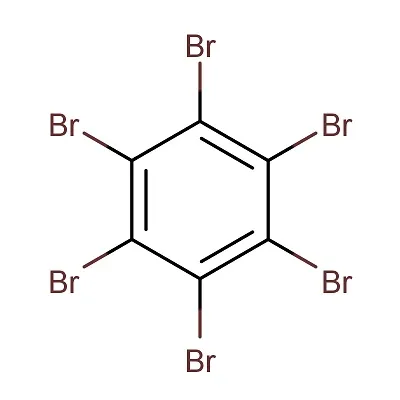
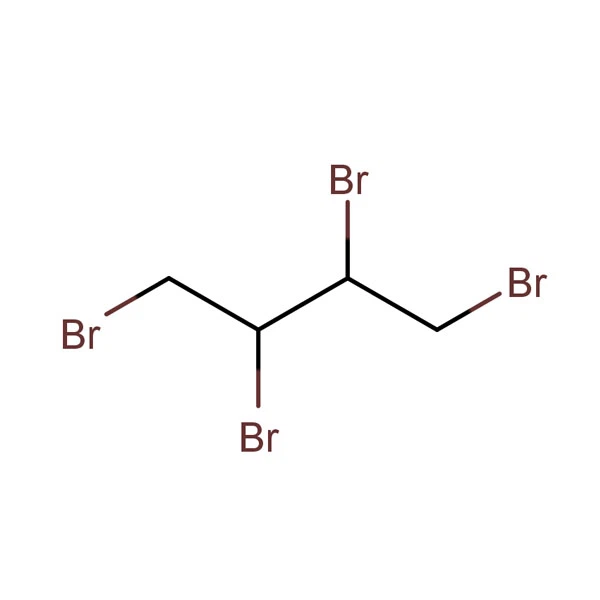
Organic halogen
This type of flame retardant, particularly chlorinated and brominated compounds, is the most widely used. Most organic halogen flame retardants are used together with synergists to enhance their efficiency, with antimony trioxide being a commonly used synergist. These products require a small amount for application and offer high flame-retardant efficiency.
Organophosphate
Phosphorus-based flame retardants can be classified into inorganic phosphorus, intumescent, and organic phosphorus types. Inorganic phosphorus flame retardants, such as red phosphorus and phosphates, can inhibit free radicals and form a protective char layer to prevent combustion. Intumescent flame retardants, primarily composed of phosphorus and nitrogen, create a char layer on the surface when heated, providing flame resistance.
Typical Properties
|
Physical Properties |
Unit |
Target Value |
|
Appearance |
|
White Powder |
|
Water/Moisture |
% |
0.3 |
|
Phosphorus Content |
% |
30 |
|
PH Value |
|
7.0 |
|
Decomposition Temperature |
℃ |
280 |
Mechanism of flame retardants
Endothermic effect
Flame retardant compounds absorb heat and undergo dehydration during heating, preventing the temperature of the burning material from rising. This reduces its degradation or decomposition, thereby minimizing the formation of fuel and achieving a flame-retardant effect.
Isolation effect
When burned, it decomposes to release inert substances that cover the surface of an object, isolating it from oxygen and achieving a flame-retardant effect.
Dilution effect
During the combustion process, the flame-retardant material reacts with oxygen to produce inert gases, which dilute the concentrations of flammable gases and oxygen, thereby achieving a flame-retardant effect.
Inhibit free radical reaction
Combustion is primarily a chain reaction of free radicals. By inhibiting the free radical reactions, the combustion rate can be reduced, thereby achieving a flame-retardant effect.
》Impart excellent durable flame retardance to polyester or CDP fabrics.
》Impart flame retardance to textile, non-woven, and paper.
》High concentration and cost-performance.
》Pad-dry-cure, coating method.
Usage Dosage
Usage
Mix it together with EVA and other materials.
Recommended amount
50-60phr, add according to the actual formulation requirements.
Attention
For a better flame-retardant effect,do not add filling materials
Packaging
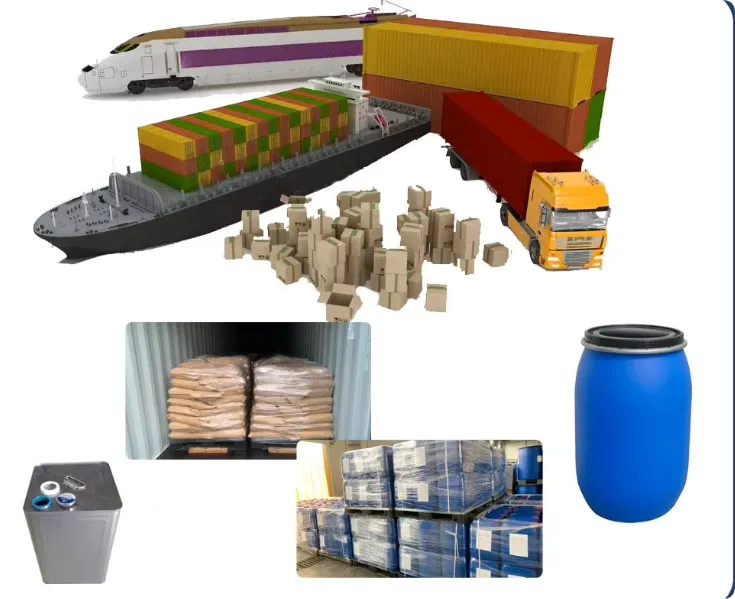
25kg/paper-plastic composite bag.
Storage
Place it in a ventilated and dry place t o avoid heat and moisture
Application
EVA Foaming products, Etc
Application of Flame Retardant
Electronics and electrical devices
Electronics are a marvel of modern technology. We’ve learned to harness the power of electricity, and used it to do some pretty crazy things. However, these products can get overloaded and wires can get crossed, and sometimes they start fires. This area of consumer goods relies on flame retardants to prevent products from starting fires.
Building and construction materials
Construction materials have come a long way, and some of the most important advancements relate to safety. A hundred years ago, a house fire may have meant that the entire block or city went up in flames. Today, building materials are treated with flame retardants, meaning fires start and spread much more slowly in modern construction.
Home and office furnishings
Anything that is comfortable is typically flammable. From the wood frame, to the filling, to the upholstery, furniture is a tinderbox that speeds fires through homes. The flame retardant materials used in modern furniture give people much needed time to escape should a fire start indoors.
Transportation
Most modern transportation still relies on internal combustion, so heat and fire come with the territory. They are also fitted with highly combustible fuel tanks. In the event that fire spreads through the conveyance, the flame retardants used in its construction may save your life.
Packaging & Shipping
FAQ
We're professional flame retardant manufacturers in China, specialized in providing high quality products and service. We warmly welcome you to buy cheap flame retardant from our factory. For quotation and free sample, contact us now.
Rubber antioxidant MB MBI , , C15H17N3