

Your Professional Heat Stabilizer Supplier
Niujiao Chemical specializes in supplying a variety of chemical products, focusing on the research and development, production and trade of various chemical raw materials and products, relying on superior product quality exported to more than countries and regions.The product series mainly includes rubber accelerators, rubber antioxidants, rubber curing agents, water treatment additives, carbon black environment-friendly gold extraction agents and other categories.


Why Choose Us
Broad Market
The Our products are exported to more than 100 countries and regions such as the United States, the United Kingdom, France, Japan, Russia, South America, Southeast Asia and Africa.
Custom Service
We understand that each customer may have unique requirements. We have the flexibility to customize our rubber additives to meet specific formulation needs, ensuring optimal compatibility and performance in various rubber applications.
High-Quality Manufacturing
Our manufacturing facilities employ advanced technologies and adhere to stringent quality control measures. We prioritize quality in every step of the production process, ensuring consistent and high-performance rubber additives that meet international standards.
Wide Range of Applications
Our products are widely used is widely used in rubber, leather, cable, plastic, pharmaceutical, water treatment and other industries.
Types of Heat Stabilizers
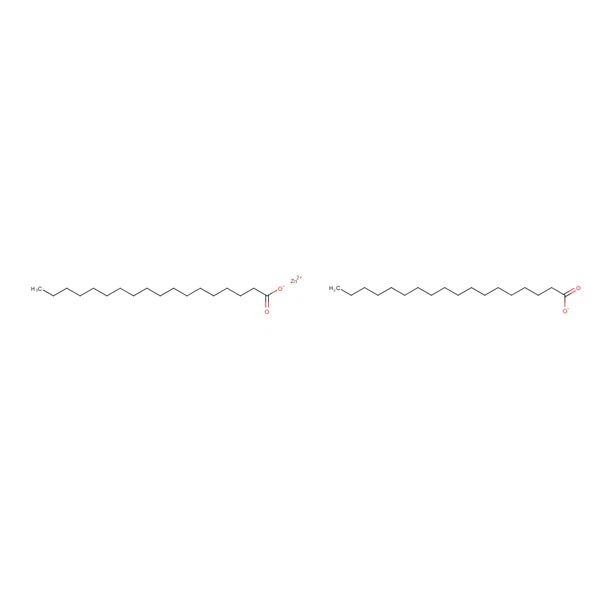


Metal Soaps
Metal soaps are one of the most commonly used heat stabilizers in polymers. They are made by combining a metal with a fatty acid. The metal ions act as Lewis acids, which scavenge free radicals and prevent them from degrading the polymer. Zinc, calcium, and magnesium are commonly used metals in metal soaps.
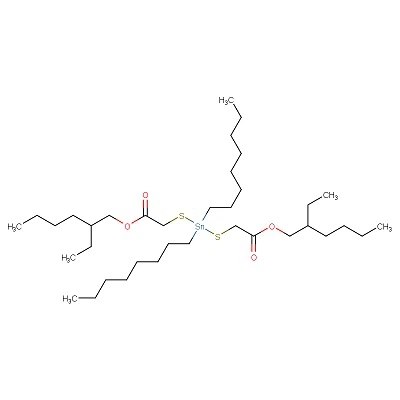
Organotin Stabilizers
Organotin stabilizers are another type of heat stabilizer used in polymers. They are organometallic compounds that contain tin. Organotin stabilizers work by forming a complex with the polymer that prevents the formation of free radicals. They are commonly used in PVC applications and are effective at preventing degradation caused by heat and UV radiation.
Phosphites and Phosphonites
Phosphites and phosphonites are antioxidants that act as heat stabilizers in polymers. They work by scavenging free radicals and preventing the oxidation of the polymer. They are commonly used in polyolefin applications and are effective at preventing degradation caused by heat and UV radiation.
HALS (Hindered Amine Light Stabilizers)
HALS are a type of heat stabilizer that is effective at preventing degradation caused by UV radiation. They work by scavenging free radicals and preventing the formation of new ones. HALS are commonly used in polyolefin applications and are effective at preventing the yellowing and loss of mechanical properties caused by UV radiation.
UV Absorption
UV absorption is a common mechanism used for heat stabilization in polymers. UV absorbers are added to polymers to absorb the UV radiation and convert it into harmless heat energy. This mechanism is particularly useful for polymers that are exposed to sunlight for extended periods.
Free Radical Scavenging
Free radicals can cause degradation in polymers by reacting with the polymer chains and breaking them down. Free radical scavengers are added to polymers to prevent this degradation. Free radical scavengers function by reacting with the free radicals and neutralizing them.
Peroxide Decomposition
Peroxide decomposition is another mechanism used for heat stabilization in polymers. Peroxides can cause degradation in polymers by initiating a chain reaction that breaks down the polymer chains. Peroxide decomposers are added to polymers to prevent this degradation. Peroxide decomposers function by breaking down the peroxides into harmless byproducts.
Prevents Degradation And Discoloration
Heat can break the PVC and result in losing its original properties. In the case of exposure to heat, the PVC has a great possibility of color change, becoming brittle, and losing its strength in the process of producing new products. The heat stabilizer retains the color, flexibility, and strength by preventing thermal degradation of the material.
Enhances Durability And Longevity
The PVC products need to be strong and durable, whether it is a pipe, window, or flooring. The heat stabilizer helps the PVC products to avoid harsh conditions and improves long-term stability. This means that PVC products are efficient for their monetary value and work for a long time.
Improves Processing Efficiency
In manufacturing PVC, the material needs to be heated so that it becomes moldable. The risk of degradation with no heat stabilizers used would make the process sluggish. Manufacturers will be able to have a more effective production process through the use of stabilizers.


Reduces Toxic Emissions
PVC, when exposed to heat, emits toxic hydrogen chloride gas, which is also harmful to the environment. The heat stabilizers inhibit the emission of such deleterious gases, making their usage in manufacturing safer and much more environmentally friendly.
Improves Flexibility And Workability
Stabilizers do not only protect PVC against heat damage but can also increase the flexibility of PVC material. This is mainly required in products that involve bending, shaping, and molding.
Prevents The Formation Of Blisters
Blistering of PVC is developed during the heating process, and it is usually overheating. The blisters weaken the material, and, subsequently, the final product will be affected in appearance. The formation of these blisters can be prevented using heat stabilizers, thereby ensuring that the PVC products are smooth and free from defects.
The Role Of Heat Stabilizers
The main purpose of adding heat stabilizer to PVC resin is to prevent or alleviate the decomposition of this resin during high-temperature plasticization processing. In addition, adding this stabilizer to the resin before processing will also reduce the difficulty of PVC resin processing and molding.
It can inhibit or prevent the degradation of the resin and extend the service life of the products.
It can absorb ultraviolet light or shield the damage of ultraviolet light to the resin.
It has a certain antioxidant effect, to prevent the degradation of plastic products' discoloration.
It does not affect the performance of the product.
Selection Criteria for Heat Stabilizers
Polymer Compatibility
The heat stabilizer must be compatible with the polymer being used. It should not react with the polymer or cause any adverse effects on its physical or chemical properties. The compatibility of the heat stabilizer can be determined by conducting compatibility tests on the polymer.
Processing Conditions
The processing conditions used during the production of the polymer must also be considered when selecting a heat stabilizer. Factors such as temperature, pressure, and residence time can affect the stability of the polymer. The heat stabilizer should be able to withstand the processing conditions without degrading or losing its effectiveness.
End-Use Requirements
The end-use requirements of the polymer should also be taken into account when selecting a heat stabilizer. The heat stabilizer should be able to provide the required level of stability for the intended application. For example, if the polymer is used in outdoor applications, it should have excellent weathering resistance.
Application of Heat Stabilizers in Various Polymers
PVC (Polyvinyl Chloride)
PVC is a widely used polymer in the construction industry due to its durability and low cost. However, PVC is highly sensitive to heat and UV radiation, which can lead to degradation and loss of mechanical properties. Heat stabilizers are commonly used in PVC to prevent degradation and extend the lifespan of the material.
Polyolefins
Polyolefins, such as polyethylene and polypropylene, are widely used in packaging and automotive applications due to their low cost and good mechanical properties. However, they are also sensitive to heat and UV radiation, which can lead to degradation and loss of mechanical properties.
Engineering Plastics
Engineering plastics, such as polycarbonate and nylon, are used in a wide range of applications due to their high strength and toughness. However, they are also sensitive to heat and UV radiation, which can lead to degradation and loss of mechanical properties.
FAQ
We're professional heat stabilizers manufacturers in China, specialized in providing high quality products and service. We warmly welcome you to buy cheap heat stabilizers from our factory. For quotation and free sample, contact us now.
C18H36N2NiS4