

Your Professional Emulsifiers Supplier
Niujiao Chemical specializes in supplying a variety of chemical products, focusing on the research and development, production and trade of various chemical raw materials and products, relying on superior product quality exported to more than countries and regions.The product series mainly includes rubber accelerators, rubber antioxidants, rubber curing agents, water treatment additives, carbon black environment-friendly gold extraction agents and other categories.


Why Choose Us
Broad Market
The Our products are exported to more than 100 countries and regions such as the United States, the United Kingdom, France, Japan, Russia, South America, Southeast Asia and Africa.
Custom Service
We understand that each customer may have unique requirements. We have the flexibility to customize our rubber additives to meet specific formulation needs, ensuring optimal compatibility and performance in various rubber applications.
High-Quality Manufacturing
Our manufacturing facilities employ advanced technologies and adhere to stringent quality control measures. We prioritize quality in every step of the production process, ensuring consistent and high-performance rubber additives that meet international standards.
Wide Range of Applications
Our products are widely used is widely used in rubber, leather, cable, plastic, pharmaceutical, water treatment and other industries.
Types of Emulsifiers
Lecithin (E322)
Derived from egg yolks or soybeans, lecithin is one of the most common natural emulsifiers.
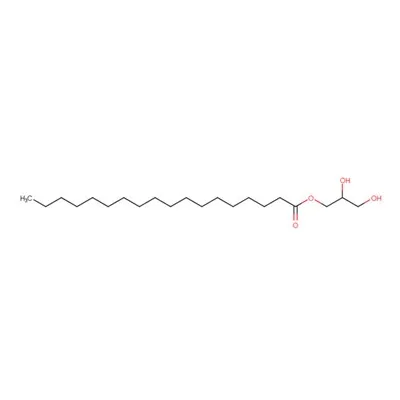
Mono and Diglycerides (E471)
These synthetic emulsifiers are derived from glycerol and fatty acids.
Polysorbates (E432-E436)
A family of synthetic emulsifiers used in various food applications.
Sorbitan Esters (E491-E495)
Another group of synthetic emulsifiers often used in conjunction with polysorbates.
Carrageenan (E407)
A natural emulsifier extracted from red seaweed.
Xanthan Gum (E415)
A polysaccharide used as both an emulsifier and thickener.
Specification
|
Item |
Standard |
|
Description |
Mono-, di- and tri-esters of sucrose with food fatty acids, prepared from sucrose and methyl and ethyl esters of food fatty acids or by extraction from sucroglycerides. Only the following solvents may be used for the production: dimethyl formamide, dimethyl sulfoxide, ethyl acetate, isopropanol, propylene glycol, isobutanol and methyl ethyl ketone. |
|
Assay |
≥ 99% |
|
Appearance |
Stiff gels, soft solids or white to slightly greyish white powders |
|
Solubility |
Sparingly soluble in water, soluble in ethanol |
|
Sulfated ash |
Not more than 2% |
|
Acid value |
Not more than 6 |
|
Free sucrose |
Not more than 5% |
|
Dimethyl formamide |
Not more than 1 mg/kg |
|
Dimethyl sulfoxide |
Not more than 2 mg/kg |
|
Isobutanol |
Not more than 10 mg/kg |
|
Methanol |
Not more than 10 mg/kg |
|
Methyl ethyl ketone |
Not more than 10 mg/kg |
|
Lead |
Not more than 10 mg/kg |
|
Storage |
Kept in a dry and cool place |
|
Packing |
25kg per bag |

Emulsifying Stability: The primary function of emulsifiers is to provide stability to water and oil mixtures, preventing undesired separation.
Texture Enhancement: They contribute to improving the texture of food products, providing smoothness and creaminess.
Extended Shelf Life: By maintaining stable mixtures, they can help extend the shelf life of products.
Facilitate Homogeneity: They assist in achieving a homogeneous distribution of ingredients, enhancing consistency and appearance.
Improved Taste and Mouthfeel: Emulsifiers can positively influence the perception of taste and mouthfeel of products.
Compatibility with Other Ingredients: They are compatible with a wide range of ingredients, making them versatile in food formulation.
Ability to Form Microstructures: Some emulsifiers have the ability to form microstructures, enhancing the quality of certain products.
Future Prospects for Emulsifiers
Personalized Nutrition
Tailoring emulsifiers to specific dietary needs and preferences.
Bioengineered Options
Developing novel emulsifiers through biotechnology.
Improved Processing Techniques
Enhancing the efficiency and sustainability of emulsifier production.
Functional Foods
Exploring the potential of emulsifiers in delivering nutrients and bioactive compounds.
Bakery and Pastry
In the production of bread and pastry products, emulsifiers enhance texture and juiciness.
Dairy Products
They are used in the manufacturing of dairy products such as ice cream and yogurts to improve consistency.
Sauces and Dressings
Emulsifiers are essential in the production of sauces and dressings, maintaining a smooth and homogeneous texture.
Chocolates
In the chocolate industry, emulsifiers contribute to smoothness and creamy texture.
Processed Foods
They are widely used in processed foods such as spreads and margarines to ensure a uniform mixture.
FAQ
We're professional emulsifiers manufacturers in China, specialized in providing high quality products and service. We warmly welcome you to buy cheap emulsifiers from our factory. For quotation and free sample, contact us now.
C10H18O2S4, C18H36N9S3